Treatment Guide9 min read
Acupuncture Explained: How It Works & Your First Visit Guide in LA
A plain-language guide to how acupuncture works, from the traditional concepts of Qi, meridians, and Yin and Yang to the modern science of pain relief, plus what to expect on your first visit in Los Angeles.
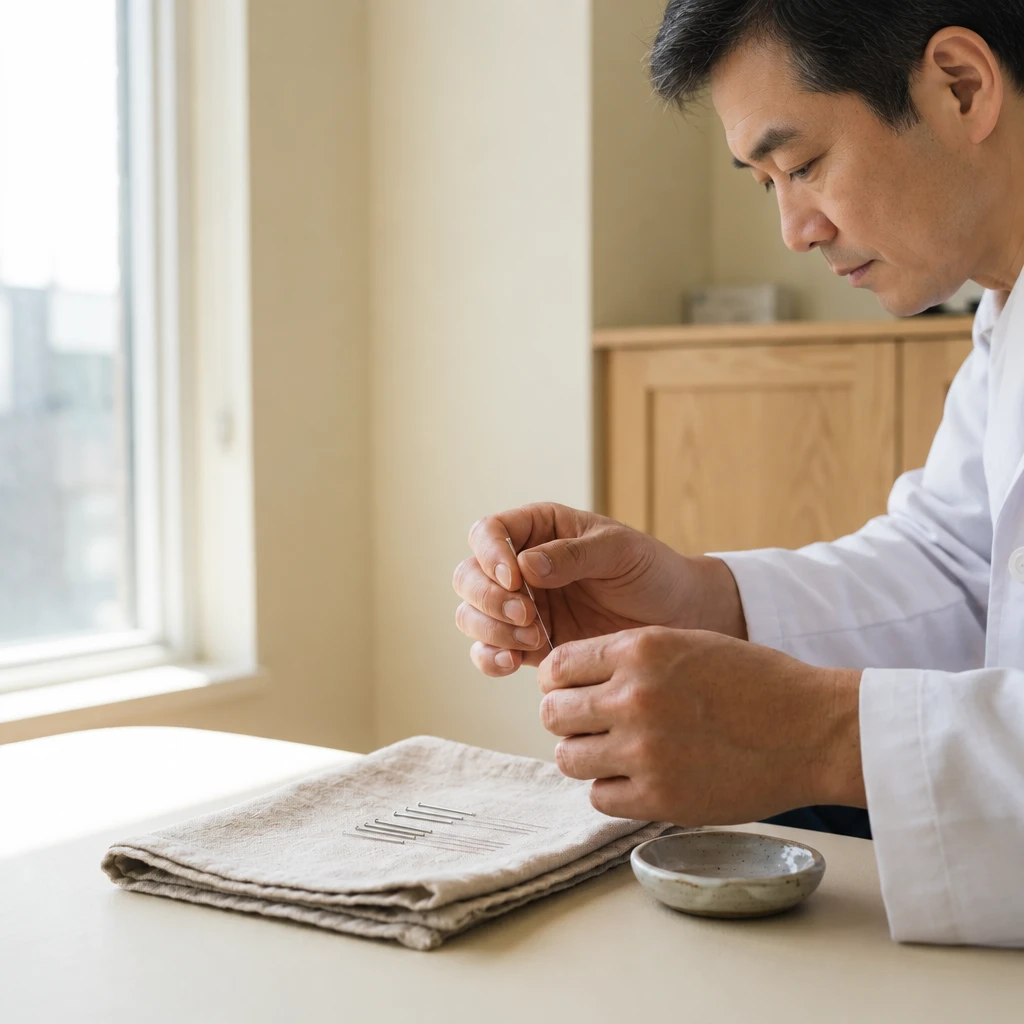
Are you curious about acupuncture but unsure of how it works or what to expect during a session? Many people in Los Angeles are seeking natural, effective solutions for health concerns, and acupuncture frequently emerges as a top choice. This ancient healing modality, rooted in Traditional Chinese Medicine (TCM), has gained significant recognition for its ability to address a wide range of conditions, from chronic pain to stress and anxiety.
At My Body Story Acupuncture & Conditioning Center in LA Koreatown, we believe in transparent, patient-centered care. This guide walks you through the core concepts of acupuncture therapy, details what you can anticipate during your initial appointment, and answers common questions so you feel comfortable and informed on your journey to better health.
The Core Principles of Traditional Chinese Medicine (TCM) & Acupuncture
Acupuncture is an integral part of Traditional Chinese Medicine (TCM), a healthcare system developed over thousands of years. At its heart, TCM views the human body as a complex, interconnected system where health is maintained by a harmonious balance of energy. When this balance is disrupted, illness or pain can manifest. Understanding these foundational concepts is key to grasping how acupuncture works.
Understanding Qi and Meridians: The Body's Energy Network
Central to TCM is the concept of Qi (pronounced "chee"), often translated as vital energy or life force. Qi circulates throughout the body along specific pathways called meridians, which connect internal organs, muscles, bones, and every part of the body. There are 12 main meridians, each associated with specific organs, and numerous smaller branches. When the flow of Qi becomes blocked, stagnant, or deficient, it can lead to pain, dysfunction, and disease. Acupuncture aims to restore the smooth flow of Qi, allowing the body to heal itself.
Yin and Yang: Balancing Forces for Health
Yin and Yang are two complementary and opposing forces present in all aspects of life and within the human body. Yang represents active, warm, light qualities, while Yin embodies passive, cool, dark attributes. For optimal health, Yin and Yang must be in balance. Excessive Yang might manifest as inflammation or fever, while a deficiency in Yang could lead to coldness or fatigue. Acupuncture points are selected to adjust these imbalances and bring the body back into a state of equilibrium.
The Role of Acupuncture Points
Along the meridian pathways, specific points exist, known as acupoints. These points act like access gates to the meridian system and the body's internal energy. When an acupuncturist inserts fine needles into these points, it stimulates the flow of Qi, breaks up blockages, and encourages the body's natural healing mechanisms. Each acupoint has unique therapeutic properties, and the acupuncturist's skill lies in selecting the most effective combination of points to restore health.
How Does Acupuncture Work? The Modern Scientific Perspective
While its roots are ancient, modern science has begun to shed light on the physiological mechanisms behind acupuncture's effectiveness, offering a bridge between traditional wisdom and contemporary understanding. While not fully elucidated, research provides strong evidence that acupuncture is far more than a placebo.
Neurological Effects: Pain Relief and Endorphins
When acupuncture needles stimulate specific points, they trigger nerve responses that travel to the brain and spinal cord. This can lead to the release of natural pain-relieving chemicals such as endorphins, serotonin, and norepinephrine. Endorphins are often referred to as the body's natural painkillers, producing a sense of well-being and reducing discomfort, while serotonin and norepinephrine play crucial roles in pain modulation and mood regulation.
Blood Flow and Inflammation Reduction
Research shows that needle insertion can increase microcirculation in the treated areas, bringing fresh oxygen and nutrients to tissues while helping to clear away inflammatory byproducts. This enhanced circulation supports tissue repair and reduces swelling, which is vital for healing injuries and managing chronic inflammatory conditions like arthritis.
The Mind-Body Connection and Stress Reduction
The stimulation of acupoints can activate the parasympathetic nervous system, responsible for the "rest and digest" response, counteracting the "fight or flight" response of chronic stress. This leads to a decrease in stress hormones like cortisol, promoting relaxation and a sense of calm. Many patients report feeling deeply relaxed, sometimes even falling asleep, during treatment.
What to Expect During Your First Acupuncture Visit in Los Angeles
At My Body Story Acupuncture & Conditioning Center in LA Koreatown, we prioritize making your initial experience as comfortable and informative as possible. Our bilingual team ensures clear communication for both English and Korean-speaking patients.
Comprehensive Intake and Health Assessment
Your first appointment typically begins with a thorough intake and health assessment. Your acupuncturist gathers detailed information about your primary concerns, medical history, lifestyle, diet, stress levels, and emotional state, and performs traditional diagnostic techniques such as observing your tongue and feeling your pulse. These methods provide valuable insights into your body's energetic balance and help formulate a precise, personalized treatment plan.
The Treatment Experience: Needles and Sensation
You will lie on a treatment table, and the practitioner will carefully insert very fine, sterile, single-use needles into specific acupoints. These needles are significantly thinner than those used for injections. Most people feel little to no pain upon insertion, though you might experience mild pressure, a dull ache, warmth, or tingling, often described as a "de qi" sensation, which indicates the activation of Qi. The needles typically remain in place for 15-30 minutes, during which you can relax, listen to soothing music, or even take a nap.
Post-Treatment Care and Follow-Up
After the needles are removed, you might feel a profound sense of relaxation, energized, or even slightly tired. These are all normal responses. It is recommended to drink plenty of water, avoid strenuous activity immediately after, and listen to your body. Your practitioner will provide recommendations that might include dietary advice, lifestyle adjustments, or specific stretches, and will outline a proposed treatment schedule based on your condition.
Beyond Needles: Complementary Therapies You Might Encounter
While acupuncture needles are the most recognized aspect of treatment, a holistic approach to healing often incorporates other traditional therapies to enhance results and promote deeper wellness.
Cupping Therapy: Release and Relief
Cupping involves placing cups made of glass, bamboo, or plastic on the skin to create suction. This gently pulls the skin, muscles, and fascia upward, increasing blood flow to the area, releasing muscle tension, and promoting detoxification. It is particularly effective for musculoskeletal pain, tight muscles, and respiratory conditions. Cupping can leave temporary circular marks on the skin, which are harmless and fade within a few days.
Herbal Medicine: Ancient Wisdom for Modern Wellness
Traditional Korean and Chinese herbal medicine utilizes combinations of natural herbs to treat the root cause of imbalances within the body, aiming to restore balance, strengthen organ systems, and support the body's innate healing capacity. Herbal medicine can address digestive issues, chronic fatigue, hormonal imbalances, and immunity, and our clinic offers personalized herbal prescriptions formulated to complement your acupuncture treatment.
Tui Na Massage and Manual Therapy
Tui Na (pronounced "twee nah") is a form of therapeutic massage that is an integral part of TCM. It uses various hand techniques, including pressing, kneading, rolling, and rubbing, to stimulate acupoints, meridians, and muscles. Tui Na is highly effective for relieving pain, reducing muscle spasms, improving circulation, and promoting flexibility, and when combined with acupuncture it can accelerate recovery.
Is Acupuncture Right for You? Common Conditions Treated
Acupuncture is celebrated for its versatility and ability to treat a wide spectrum of health issues, often providing a gentle, natural alternative to conventional approaches.
Pain Management: From Chronic to Acute
Acupuncture is remarkably effective for both chronic conditions and acute injuries, including:
- Back Pain: lower back pain, sciatica, herniated disc discomfort.
- Neck and Shoulder Pain: stiffness, tension, whiplash, frozen shoulder.
- Headaches and Migraines: reducing frequency and intensity of severe headaches.
- Joint Pain: arthritis in knees, hips, hands, and other joints.
- Sports Injuries: sprains, strains, tendonitis, and recovery from athletic activities.
- Neuropathic Pain: nerve pain conditions.
Acupuncture helps by reducing inflammation, releasing endorphins, and improving circulation to the affected area, leading to significant and lasting pain reduction.
Stress, Anxiety, and Sleep Disorders
By stimulating specific points, acupuncture helps to regulate the nervous system, shifting it from a "fight or flight" response to a "rest and digest" state. This reduces cortisol levels, promotes relaxation, and improves mood. Many patients report a profound sense of calm during and after sessions, which translates into better sleep quality, reduced anxious feelings, and enhanced mental clarity.
Digestive and Women's Health Issues
For digestive disorders like irritable bowel syndrome (IBS), bloating, acid reflux, and constipation, acupuncture can help regulate gut motility, reduce inflammation, and alleviate discomfort. For women, acupuncture offers support for:
- Menstrual Irregularities: PMS symptoms, painful periods, irregular cycles.
- Fertility Support: enhancing reproductive health and assisting with conception.
- Menopausal Symptoms: hot flashes, night sweats, mood swings.
- Postpartum Recovery: supporting new mothers through the changes after childbirth.
Frequently Asked Questions About Acupuncture Treatment
Q: Does acupuncture hurt? A: Most patients report little to no pain during acupuncture. The needles are extremely fine, much thinner than a hypodermic needle. You might feel a slight prick upon insertion, followed by a dull ache, pressure, or tingling sensation (the "de qi" sensation), which is generally not painful but indicates that the energy is being activated.
Q: How many sessions will I need? A: The number of sessions varies depending on the individual, the condition being treated, its severity, and how long you have had it. Acute conditions might only require a few sessions, while chronic issues may need a longer course of treatment, which your acupuncturist will discuss during your initial visit.
Q: Is acupuncture safe? A: Yes, when performed by a licensed and experienced practitioner, acupuncture is extremely safe. We use sterile, single-use needles, eliminating the risk of infection, and our practitioners adhere to strict safety protocols.
Q: Does insurance cover acupuncture? A: Many insurance plans in Los Angeles now offer coverage for acupuncture, especially for conditions like pain management. However, coverage varies widely, so we recommend checking with your insurance provider directly.
Q: What should I do before my first appointment? A: It is best to eat a light meal a few hours before your session and avoid coming on an empty stomach. Wear loose, comfortable clothing that allows access to various parts of your body, and try to avoid caffeine or other stimulants.
Begin Your Healing Journey with Acupuncture in Los Angeles
From the ancient wisdom of Qi and meridians to the modern scientific explanations of pain relief and stress reduction, acupuncture offers a powerful, holistic path to wellness. At My Body Story Acupuncture & Conditioning Center, we are dedicated to providing compassionate, evidence-based, and personalized care to the Los Angeles community, and our experienced, bilingual team is ready to guide you toward better health.
Do not let discomfort or uncertainty hold you back from discovering the benefits of acupuncture. Ready to experience the difference? Book your appointment online or call us at (213) 326-5151 to learn more and schedule your consultation. We look forward to being a part of your healing journey.